When it comes to hydroponic gardening, choosing the right nutrients can make all the difference for your plants. In a soil-less system, your plants rely entirely on the nutrients you provide. Let’s dive into some of the best nutrients to keep your plants thriving.
First off, you can't go wrong with macronutrients: nitrogen, phosphorus, and potassium. These guys are the heavy hitters! Nitrogen helps with leaf growth, phosphorus supports root and flower development, and potassium is key for overall plant health. Look for nutrient solutions that balance these three for lush, happy plants.
Next, consider micronutrients. These are just as important, even if your plants need them in smaller amounts. Elements like iron, calcium, magnesium, and manganese can significantly boost plant health. Many nutrient mixes will include these, but it’s a good idea to check the label and ensure your plants are getting all the good stuff.
Don't forget about pH levels! The nutrients you use can affect the pH of your solution, which impacts nutrient absorption. Ideally, you want your pH between 5.5 and 6.5 for most hydroponic crops. Invest in a simple pH testing kit to keep an eye on this and adjust the levels as needed. Your plants will thank you!
Finally, look into organic vs. synthetic nutrients. Organic options are great if you want a more natural approach. Synthetic nutrients tend to be more concentrated and can give quick results. Think about what fits your gardening style and what your plants might prefer.
Choosing the Right Hydroponic System
When you’re diving into hydroponics, picking the right system is a big deal. There’s so much out there, and it can feel overwhelming. Let’s break it down to make it simpler for you.
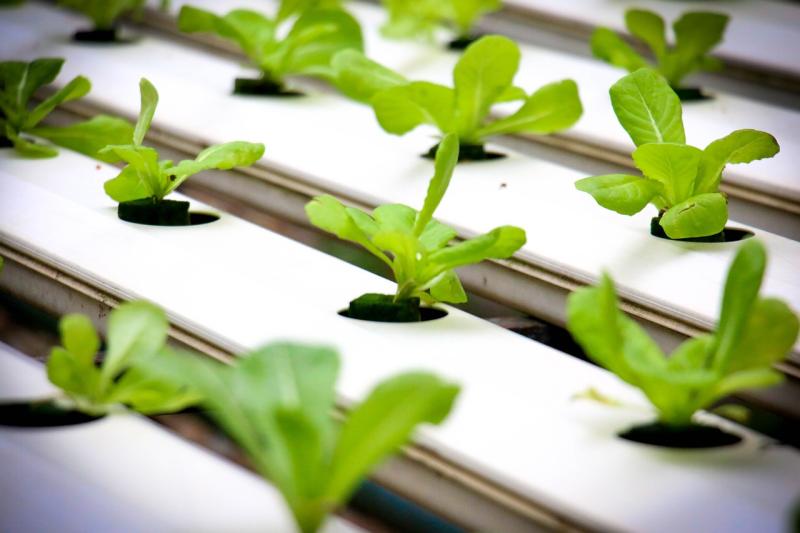
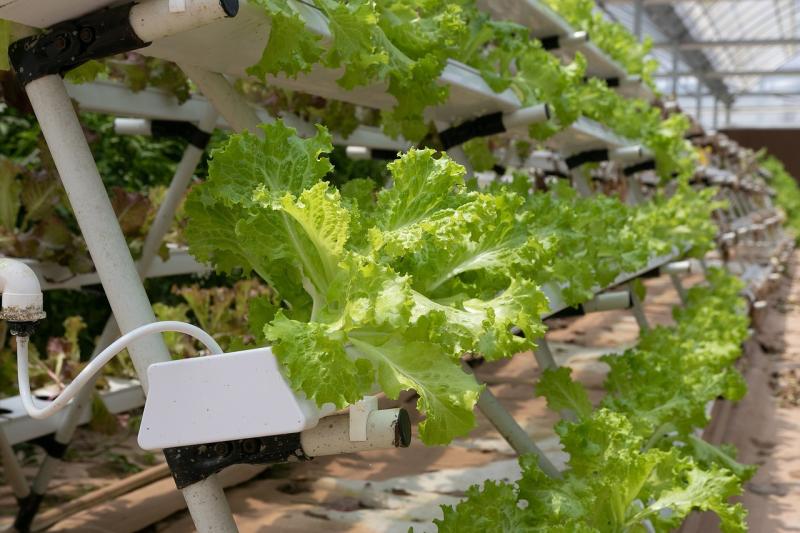
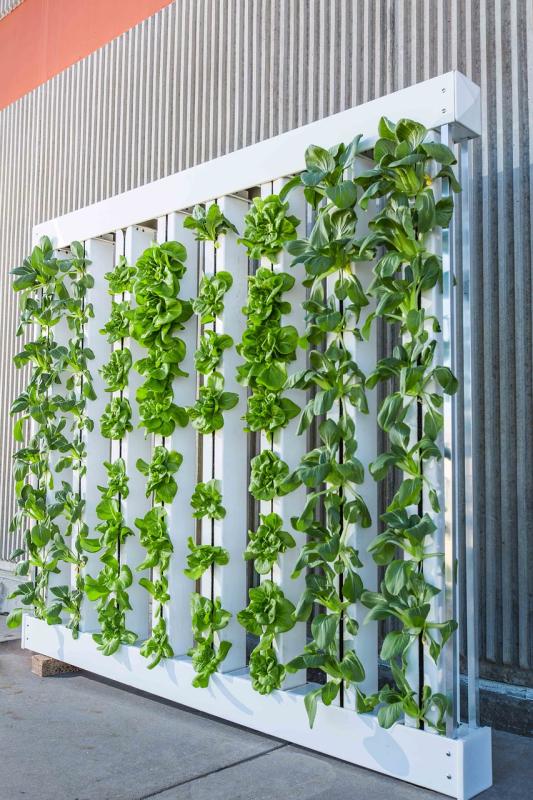
First off, think about the space you have. If you're working with limited room, maybe a vertical hydroponic system is your best bet. These setups stack plants vertically, saving floor space and making a cool display. If you have a bit more room, you could go for a larger setup, like deep water culture or nutrient film technique, which lets you grow more plants at once.
Next, consider what you want to grow. Some systems are better for leafy greens, while others shine with fruiting plants. If strawberries or tomatoes are on your list, look for systems with good light and support. For herbs and lettuce, a simple ebb and flow system can work just fine.
Don’t forget about your budget! Hydroponic systems can range from super affordable to a bit pricey. Check out what you really need versus what comes with extra features you might not use. Starting simple can help you learn the ropes without a heavy investment. Always keep an eye out for user reviews; they can give you great insight into what works best.
Lastly, think about maintenance. Some systems need more care than others, so pick one that fits your lifestyle. If you want things low-key, go for something that’s easier to manage. After all, the goal is to enjoy growing your plants, not feel stressed out about your setup.
Essential Equipment for Hydroponic Gardening
Getting into hydroponic gardening is super exciting, but you need the right gear to make it work like a charm. Start with a solid hydroponic growing system. Options include Deep Water Culture, Nutrient Film Technique, and Aeroponics. Pick one that fits your space and plants. If you're a beginner, a simple system that requires minimal setup might be your best bet.
Next on the list is grow lights. Plants need light to thrive, and if you’re indoors or don’t get enough natural sunlight, grow lights are a must. LED grow lights are popular because they're energy-efficient and provide the right spectrum for plant growth. Look for adjustable ones that fit your setup.
Don’t forget the nutrient solutions! Hydroponic plants get their nutrients from water, so investing in a good liquid nutrient mix is essential. You'll find various tailored mixes depending on what you’re growing. Make sure to follow the instructions for mixing to get the right balance for your plants.
Lastly, get yourself some quality pH testing kits and meters. The pH level affects how well your plants can absorb nutrients. Keeping it in the right range ensures your plants stay healthy and yield well. Testing kits help you keep an eye on things, making adjustments as needed.
Tips for Successful Hydroponic Harvesting
Getting ready for your hydroponic harvest? Awesome! Here are some tips to help you bring in a bountiful crop. It’s all about timing, technique, and a little bit of care.
First up, know when to harvest. Most plants have a sweet spot where they taste their best. For leafy greens like lettuce, look for vibrant colors and firm leaves. If you're growing fruiting plants like tomatoes, wait until they’ve reached their full color and are slightly soft to the touch. The right timing can make a huge difference in flavor.
Next, gather your tools. Sharp scissors or shears are a must for a clean cut. Dull tools can damage the plant and affect growth in the long run. Make sure to sanitize your tools beforehand to prevent any nasty bugs or diseases from spreading.
When you’re ready to pick, take your time. Gently remove the plants from their setup, taking care not to pull on the roots too hard. If needed, you can rinse off any growing medium. This keeps the veggies clean and looking great for your kitchen.
Lastly, after your harvest, give your system some love. Clean all components to keep everything running smoothly for your next round of planting. This attention to detail can help prevent issues down the road. Happy harvesting!