Hydroponic growing is a method of growing plants without soil. Instead of dirt, it uses nutrient-rich water to feed the plants. This might sound a bit strange, but it’s actually pretty cool and has lots of benefits!
In a hydroponic system, plants get everything they need right from the water. This means you can control what they eat, making it easier to help them grow strong and healthy. You can even set up hydroponics indoors, so you can enjoy fresh veggies and herbs year-round, no matter the season.
There are several types of hydroponic systems, like Deep Water Culture, Nutrient Film Technique, and Ebb and Flow. Each has its own setup but they all share the same basic idea: delivering nutrients directly to the plant roots. This helps plants grow faster than in traditional soil gardens.
Hydroponics also uses less water compared to conventional farming. The water circulates in a closed system, so little is wasted. You’ll not only get fresh food but also do your part in conserving water. It’s a win-win!
Overall, hydroponic growing makes it easier and quicker to produce healthy plants. Whether you're a seasoned gardener or just starting, it’s a fun way to explore growing your own food right at home.
Benefits of Hydroponic Systems
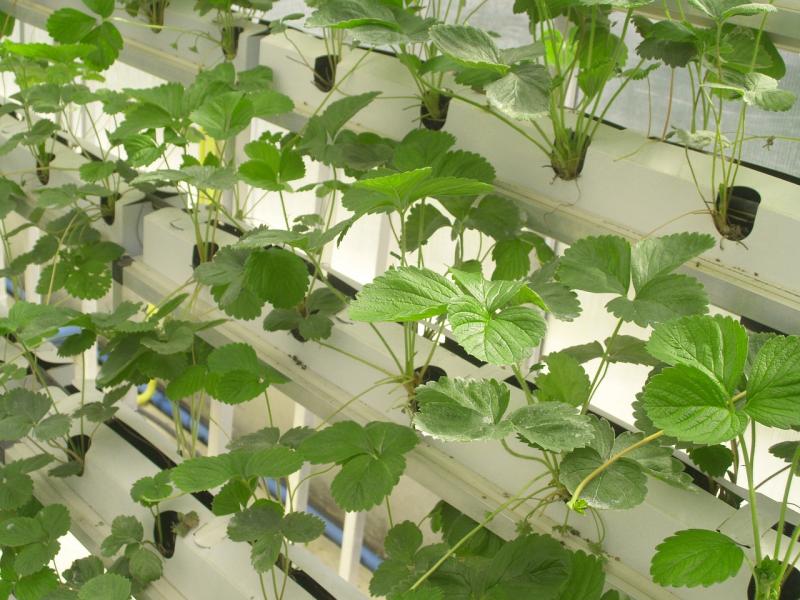
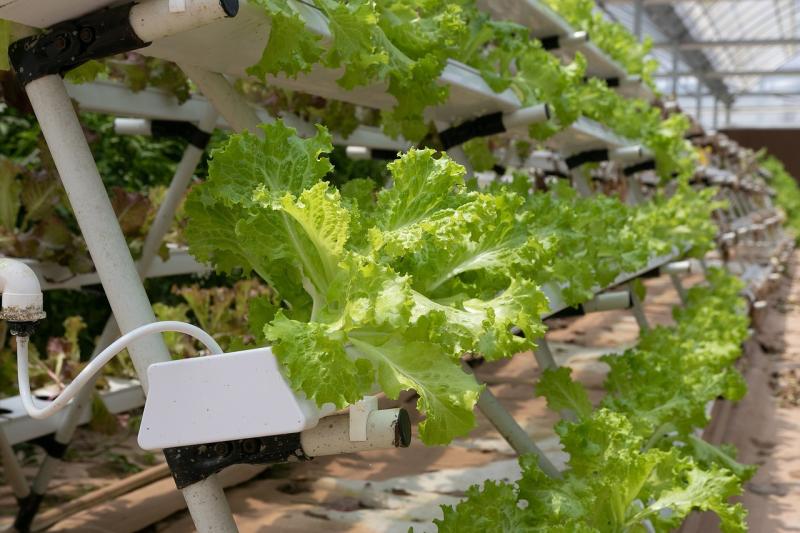
Hydroponic systems offer some fantastic benefits that can really change the way you grow plants. First off, these systems save space. Whether you're in a tiny apartment or just want to maximize your backyard, hydroponics lets you grow a ton of plants in a compact area. You can stack systems vertically or use shelves to fit more plants without needing tons of land.
Next up, think about water savings. Hydroponic setups use way less water than traditional soil gardening. The water gets recycled, which means you're not wasting a ton on your plants. Plus, you get to skip worrying about the muddy mess typical of traditional gardening. This means less hassle for you, and your plants still get what they need.
Another huge perk is faster growth rates. When plants grow in hydroponics, they get the optimal nutrients and oxygen they need right at their roots. This means they usually grow quicker and produce more yields compared to soil-grown plants. It feels great to see your hard work pay off in a shorter time, right?
And let's not forget about pest and disease control. With hydroponics, you can often avoid the pests and diseases that come with dirt. You can keep your plants healthy without relying on harsh chemicals since you control the growing conditions. It’s a win-win for you and your plants.
Types of Hydroponic Methods
When diving into hydroponic growing systems, you’ll find a few popular methods to choose from. Each technique has its strengths, so let’s explore the main types to see what might work best for you.
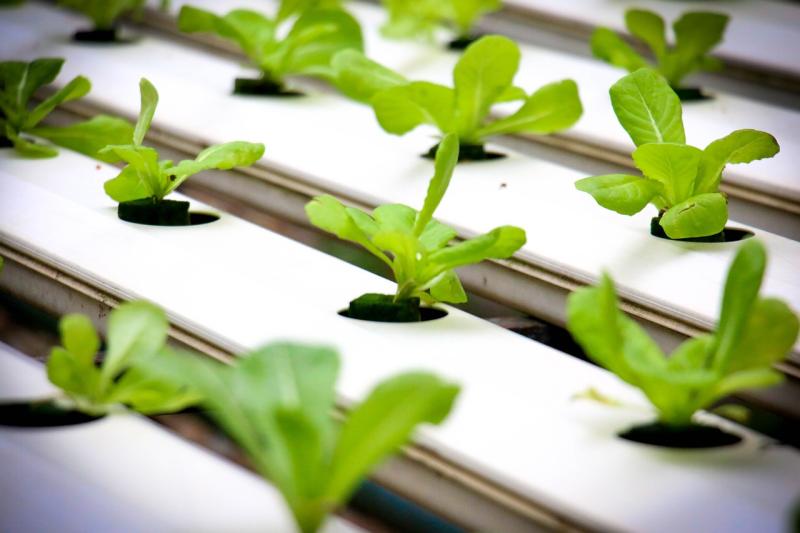
Nutrient Film Technique (NFT) is a favorite among many growers. In this setup, a thin film of nutrient-rich water flows continuously over the roots of plants. It’s great for fast-growing crops like lettuce. Just keep an eye on the pump and make sure it’s functioning properly!
Deep Water Culture (DWC) is another solid option. In this method, plant roots hang in a nutrient solution, and an air pump keeps the water oxygenated. This is perfect if you want to grow bigger plants. Just make sure your air pump is reliable.
Wick System takes a more low-maintenance approach. It uses a wick to draw nutrient solution up to the roots from a reservoir. This method works well for smaller plants like herbs. Plus, it doesn’t need a pump, so it’s easier to set up.
Finally, the Aeroponic System is all about misting the roots with a nutrient solution. It gives plants plenty of oxygen and nutrients while conserving water. This method works wonders for adventurous growers who want to try something a bit different. Just remember to regularly check your misting system!
Getting Started with Hydroponics
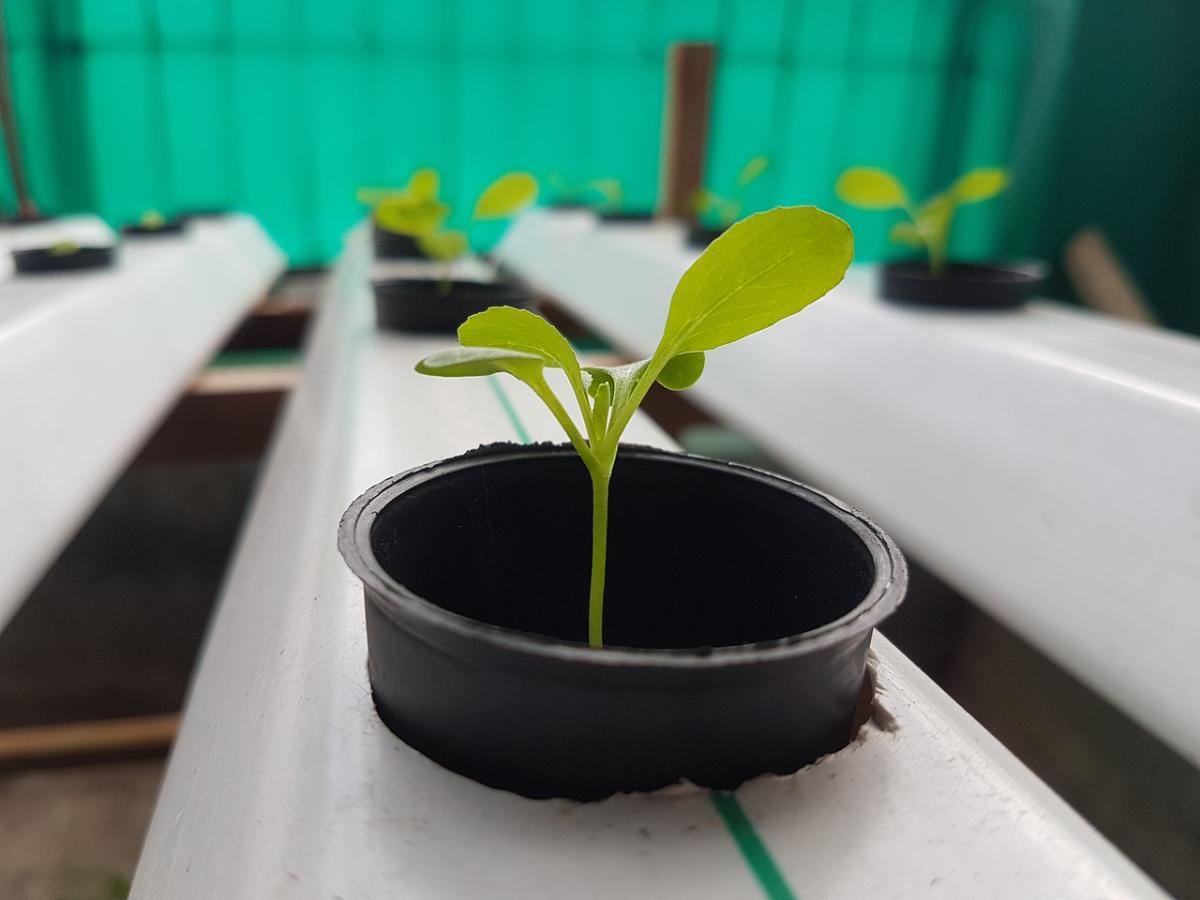
Jumping into hydroponics can feel a little overwhelming, but don't worry! It’s all about finding what works best for you. To start, grab a simple hydroponic system. Something like a deep water culture or a nutrient film technique is user-friendly and perfect for beginners. You’ll see results fast, which is super encouraging!
Next up, choose your plants. Leafy greens like lettuce and spinach are great choices for beginners. They grow quickly, and you won't be waiting around forever to see some greens on your plate. Make sure to pick seeds that suit your environment—some plants need a bit more light or warmth than others.
Don’t forget about the nutrients! Hydroponics relies on nutrient solutions to keep your plants thriving. Look for a balanced mix that contains everything your plants need to grow strong. Mix it according to the instructions and keep an eye on the pH levels. Getting this right can make a world of difference in how well your plants do.
Finally, lighting is key. If you're indoors, invest in some good grow lights. LED lights are popular because they’re energy-efficient and provide the right spectrum for plant growth. Position them about 12 to 24 inches above the plants, and adjust the height as they grow. Your plants will thank you for it!