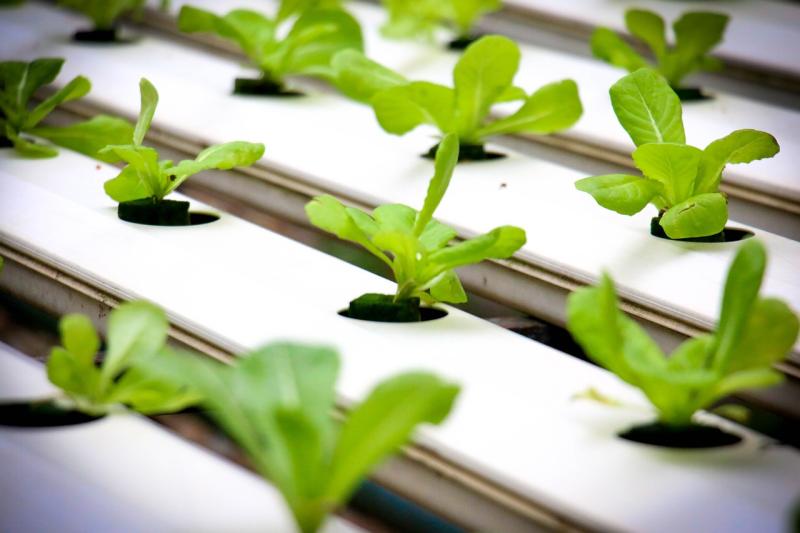
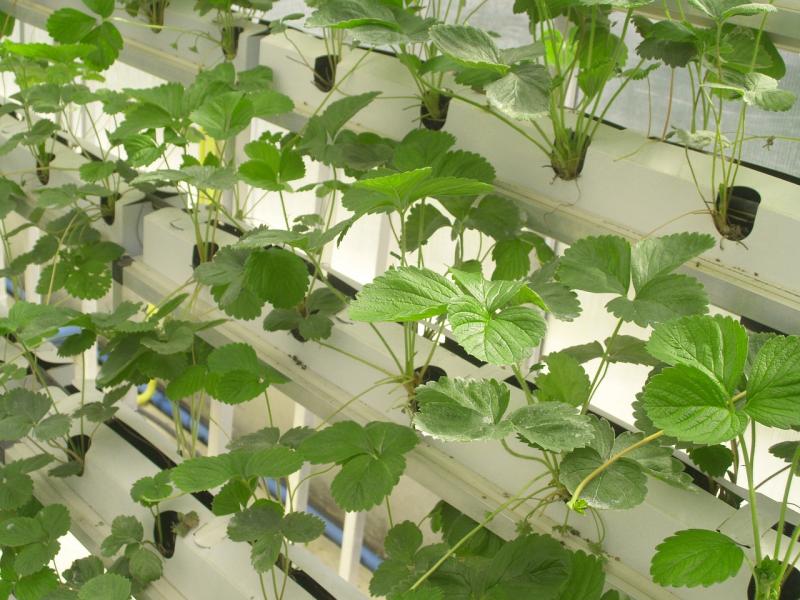
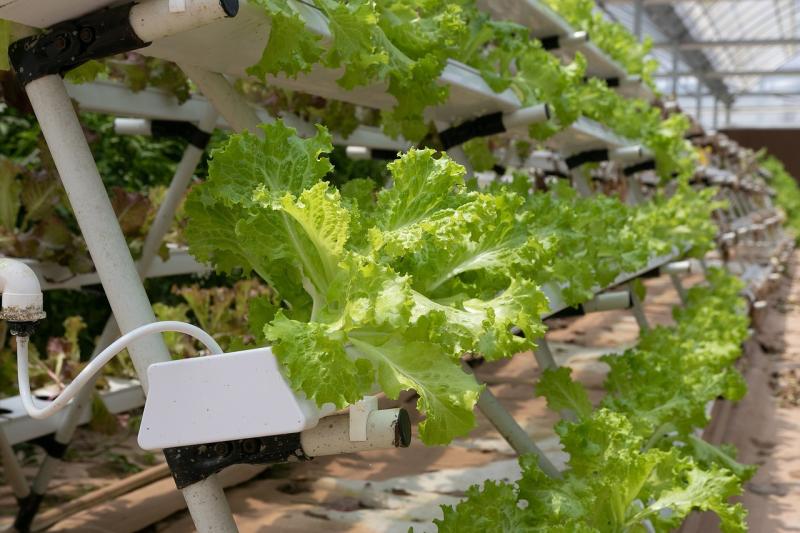
Hydroponics is super cool for anyone looking to grow plants without soil. It can give you fast-growing, fresh produce right in your home or backyard. Here are some benefits:
But hey, it’s not all sunshine and rainbows. Hydroponics comes with its own set of challenges:
In the end, it’s all about what works for you. Hydroponics is fantastic if you want to grow your greens rapidly and efficiently. Just be ready to tackle the learning curve and potential bumps in the road!
Understanding Aeroponics Basics
Aeroponics is a super cool way to grow plants without soil. Instead of sitting in dirt, the plants’ roots dangle in the air, getting a nutrient-rich mist. This setup means plants get plenty of oxygen while soaking up all the nutrients they need to thrive. If you’re looking for a method that maximizes growth and minimizes waste, aeroponics could be your best option!
This technique is efficient. Since there's no soil to worry about, you can grow more plants in less space. Space-savers rejoice! Aeroponics is also faster. The mist allows plants to grow quicker than traditional methods because their roots are always ready to absorb what they need. Think of it as a quick snack versus a full meal: it’s all about getting those nutrients in fast!
Setting up an aeroponics system can sound tricky, but it’s not as daunting as it seems. You’ll need a few things like a misting system, a reservoir tank for your nutrient solution, and a frame to hold your plants. Many systems are available on the market that makes it easy for beginners to get started. Just like with any gardening method, a little research goes a long way, so don’t hesitate to dive in!
Aeroponics also has some great environmental benefits. Since it uses less water than traditional farming, it’s a smart choice if you’re looking to conserve resources. Plus, you can grow indoors or outdoors, giving you flexibility depending on your space. It’s an all-around fantastic choice for anyone wanting to grow plants efficiently while embracing sustainability.
Exploring Aquaponics Features
Aquaponics combines the best of both worlds: growing fish and plants together. It's like having your own little ecosystem at home. The fish provide nutrients for the plants, and in return, the plants help clean the water for the fish. It’s a cycle that keeps on giving!
One of the coolest features of aquaponics is how low maintenance it can be. Once you set it up, you don’t have to worry about fertilizing or adding chemicals. The fish naturally provide the nutrients your plants need. Plus, systems can be small enough for your kitchen or backyard, making it super accessible for anyone interested in growing their own food.
The variety of what you can grow is impressive. From herbs like basil and cilantro to veggies like lettuce and tomatoes, aquaponics lets you get creative. And let’s not forget about the fish! You can choose from tilapia, catfish, or even goldfish, depending on your preferences. It’s like running your own mini farm.
Aquaponics systems are also great for sustainability lovers. You use less water compared to traditional gardening since the water circulates through the system. This makes it an ideal choice if you’re looking to garden in a more eco-friendly way. Plus, you can enjoy fresh produce and fish right from your own home!
Choosing the Right System for You
When diving into the world of hydroponics, aeroponics, and aquaponics, it’s super important to find the right system for your needs. Each style has its own perks, so let’s break it down!
If you’re looking for something straightforward and low-maintenance, hydroponics might be your best bet. It uses nutrient-rich water to help plants grow without soil. Great for newbies, you’ll find plenty of ready-to-go kits that can have you planting in no time.
Aeroponics takes things up a notch. It uses air and mist to deliver nutrients right to the plant roots. This method doesn’t use as much water, making it a smart choice if you want to save on resources. Plus, the plants often grow faster because they have more oxygen. If you’re a bit more experienced, this could be a fun challenge!
Now, if you’re all about creating a mini-ecosystem, aquaponics is the way to go. This method combines fish and plants, where fish waste provides nutrients for the plants, and the plants help clean the water for the fish. It’s like a little natural cycle! Just be ready for a bit of extra responsibility, since taking care of fish is key.
Think about your space, budget, and how much time you want to invest. Whether you go with hydroponics, aeroponics, or aquaponics, it’s all about what fits into your lifestyle best. Happy growing!