Ever wondered how hydroponics can help you grow healthy plants without soil? It’s all about creating the right environment for your greens. In a hydroponic system, plants get their nutrients from a nutrient-rich water solution. This means you can skip the messy soil and let your plants thrive in a controlled setting.
Here’s how it works: Instead of digging in the dirt, you’ll provide your plants with all they need in a liquid form. This includes minerals and nutrients essential for growth. You can tweak the nutrient mix based on what you’re growing. No more guessing if the soil is good or how much fertilizer to use.
Choosing the right hydroponic system is crucial. There are several types out there, like deep water culture, nutrient film technique, and aeroponics. Each has its own perks. For example, deep water culture supports plants directly in oxygenated water, which helps them grow faster. If you're looking for something compact and efficient, check out aeroponics—it sprays the nutrient solution onto the roots, using less water.
Setting up a hydroponic system is easier than you might think. You’ll need a few essentials: a grow light, containers for your plants, a pump, and of course, the hydroponic solution. Many setups come as complete kits, so you don’t have to worry about gathering every little thing. With just a little knowledge and enthusiasm, you can enjoy fresh veggies or herbs right from your home.
Choosing the Right Hydroponic System
Picking the right hydroponic system can feel a bit overwhelming, but it doesn't have to be! It really depends on what you want to grow and how much space you have. Let’s break it down.
If you’re just starting out, the nutrient film technique (NFT) or deep water culture (DWC) are super beginner-friendly. They don’t require too much equipment or setup, making them perfect for small spaces. With NFT, the plants get a nice flow of nutrients, while DWC keeps the roots submerged in a nutrient-rich solution. Simple and effective!
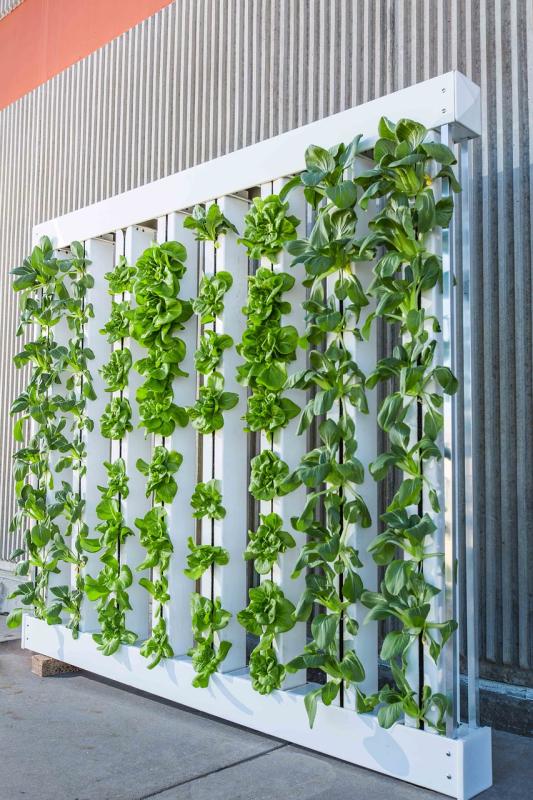
If you've got a bit more experience or want to grow larger plants, consider a vertical system or aeroponics. Vertical systems save space and can produce a lot of greens in a tiny footprint. Aeroponics is a fun way to grow, where the roots are misted with nutrients. It promotes fast growth and uses less water!
Before you decide, think about your budget, the types of plants you want to grow, and how much time you want to invest in maintenance. Some systems need more attention than others, so be honest with yourself about your commitment level. Knowing this will help you make the right choice for your setup!
Essential Supplies for Your Setup
Setting up your hydroponic growing system is super exciting, but you'll need a few essential supplies to get started. No worries, though! Most of these items are easy to find and will help your plants thrive.
First up, you’ll want a good hydroponic system. There are different types to choose from like deep water culture, nutrient film technique, or aeroponics. Pick one that suits your space and plant goals. If you're just starting out, something simple like a hydroponic bucket system can be a great choice.
Next, grab some growing medium. Instead of soil, you'll use materials like rock wool, clay pellets, or coconut coir. These keep the roots supported while allowing moisture and nutrients to reach them easily. Each option has its benefits, so go with what you feel will work best for your plants.
Don't forget about nutrients! Hydroponic plants need a special mix to grow strong. Look for liquid nutrients that are designed for your type of system. They usually come in two or three-part formulas that work together to give your plants everything they need.
Lastly, make sure to have a good light setup. If you're not getting enough natural light, grow lights are a must. LED grow lights are energy-efficient and last a long time. Position them close enough to encourage growth but not so close that you burn your plants. Happy growing!
Tips for Growing Healthy Plants
When you’re diving into hydroponics, keeping your plants healthy is key. Here are some tips to get you started on the right foot:
It’s all about finding what works best for your specific plants. Enjoy the process, and don’t hesitate to tweak things as you go! Your hydroponic garden will thank you.